
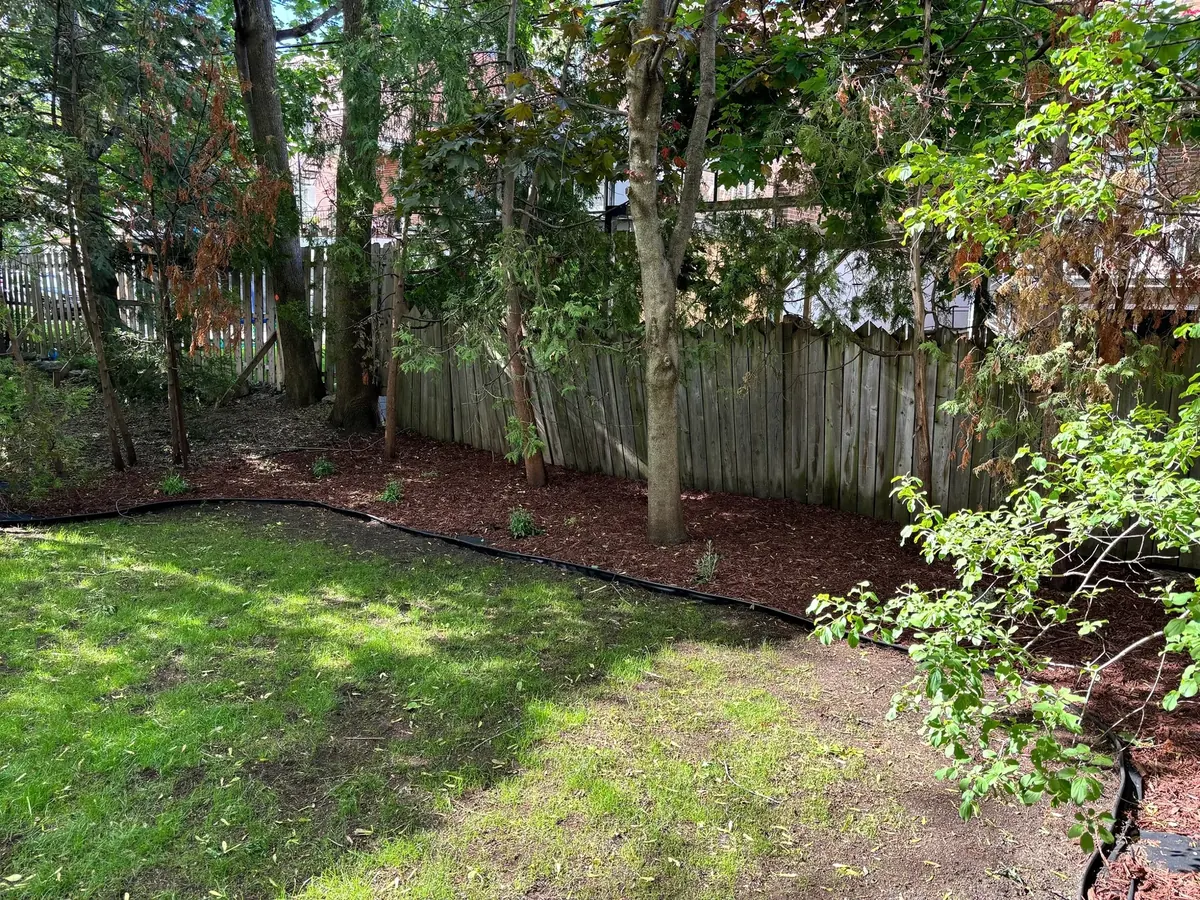
Make a small observation sheet for each area rather than giving the entire property one label. Record the date, direct sun, recent rain and whether the surface is dry or wet. If you have not checked drainage, choose “unsure” in the questionnaire. A location name or postal area cannot replace these observations. Mark established trunks and important roots so that a proposed planting does not begin with unnecessary excavation.
A useful design can combine foliage, texture and flowering periods. Espace pour la vie highlights decorative, lasting foliage because fewer flowering plants suit shade than sun. Our planning suggestion is to compare a few candidate plants at their mature widths on paper before buying. Include the view from the home, a route for watering and space to reach the back of the bed. A larger plant in a small space can create work that the original sketch did not show.
Use the finder to create a shortlist, then resolve the remaining questions: dry shade or moist shade, competition from established vegetation, winter exposure, and the exact plant identity. Begin with a manageable section if conditions are uncertain. Keep dated notes about survival, growth and watering in the saved plan. That record is more useful for next season than assuming every struggling plant needs fertilizer. The selection is provisional until the site and nursery label have been checked; it is not a promise of continuous bloom or effortless maintenance.
Planning note. Sources checked October 9, 2026. Planning suggestions, horticultural facts and municipal rules are kept separate: confirm anything that depends on your plant, site or address.