
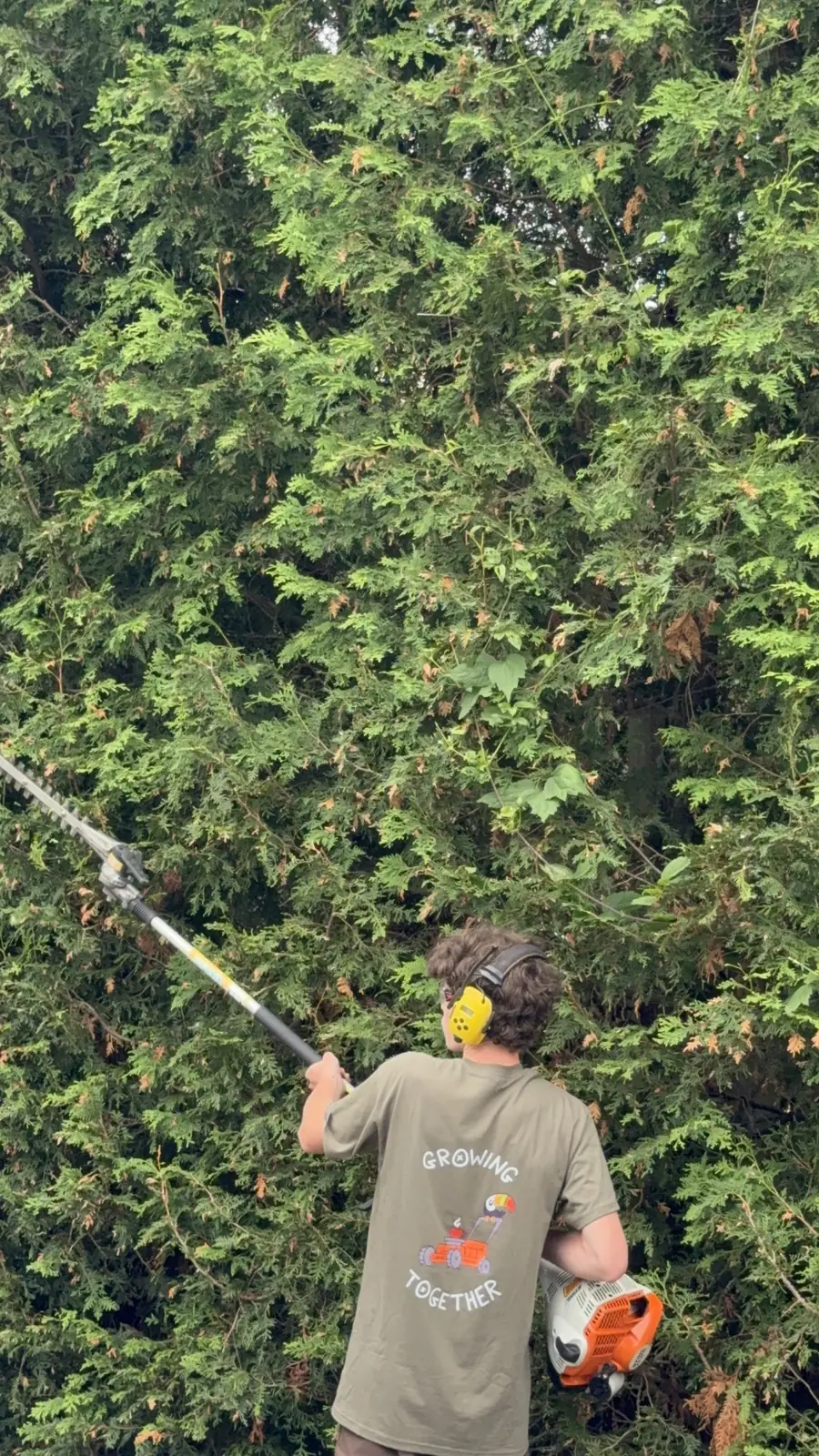
An evergreen screen keeps foliage through winter; a deciduous hedge changes its coverage with the seasons. A mixed shrub border offers a different appearance from a closely clipped hedge. Decide which result you want and how much cutting you are willing to arrange. A plant should be evaluated by its mature dimensions and site needs, rather than the height of the pot on delivery. The library is a starting shortlist, not a guarantee that a particular cultivar is in stock or will thrive beside your driveway.
Check the planting strip after rain and observe sunlight when nearby trees are in leaf. Note snow storage, road salt, prevailing wind and roof runoff. If any answer is unknown, leave it unknown in the finder and add a site check to the plan. This prevents an appealing recommendation from becoming an unsupported promise. Ask the supplier to confirm the exact cultivar, hardiness system and proposed spacing.
Before buying, mark a sample row with stakes and walk the access route. Review the spacing calculator’s endpoint assumptions; more plants do not automatically produce a better long-term hedge. Identify each shrub before pruning: spring-flowering shrubs may lose next year’s flowers if their buds are cut at the wrong stage. Check local rules for fences, hedges, corner visibility and public land with your own municipality. Save the preferred screen, an alternative and these unresolved checks together in your garden plan.
Planning note. Sources checked October 9, 2026. Planning suggestions, horticultural facts and municipal rules are kept separate: confirm anything that depends on your plant, site or address.