
Grind size and brewing methods, at a glance.
Grind size controls how fast water pulls flavour from the coffee. Match the grind to the method and you are most of the way to a good cup.
The rule of thumb
The National Coffee Association’s general rule is that the longer the coffee is in contact with water, the coarser the grind should be. That is why espresso, which brews in seconds, uses a fine grind, and cold brew, which steeps for hours, uses a coarse one.
| Grind | Method | Contact time | Ratio |
|---|---|---|---|
| Coarse | French press Coarse, like rock salt | About 4 min | 1:10 to 1:16 (coffee to water) |
| Coarse | Cold brew Coarse | About 12 hours | 1:4 to 1:5 (a concentrate) |
| Medium | Pour-over Medium | 2–4 min | 1:13 to 1:16 |
| Medium | Drip machine Medium, like kosher salt | About 5 min | 1 to 2 tablespoons per 180 ml (6 oz) |
| Fine | Espresso machine Fine, like table salt | 20–30 seconds | 1:2 (dry coffee to liquid espresso, by weight) |
| Fine to medium-fine | Moka pot Follow the pot’s instructions | Set by the pot | Set by the pot’s basket |
French press
- Grind
- Coarse. Coarse, like rock salt
- Contact time
- About 4 min
- Ratio
- 1:10 to 1:16 (coffee to water)
Cold brew
- Grind
- Coarse. Coarse
- Contact time
- About 12 hours
- Ratio
- 1:4 to 1:5 (a concentrate)
Pour-over
- Grind
- Medium. Medium
- Contact time
- 2–4 min
- Ratio
- 1:13 to 1:16
Drip machine
- Grind
- Medium. Medium, like kosher salt
- Contact time
- About 5 min
- Ratio
- 1 to 2 tablespoons per 180 ml (6 oz)
Espresso machine
- Grind
- Fine. Fine, like table salt
- Contact time
- 20–30 seconds
- Ratio
- 1:2 (dry coffee to liquid espresso, by weight)
Moka pot
- Grind
- Fine to medium-fine. Follow the pot’s instructions
- Contact time
- Set by the pot
- Ratio
- Set by the pot’s basket
Starting points, not rules
The chart shows the National Coffee Association’s starting points for each method. They are places to begin, not fixed recipes: ratios are written differently for each method, so compare them only within a row. For hot filter methods, the water is about 93 °C, give or take 3 °C.
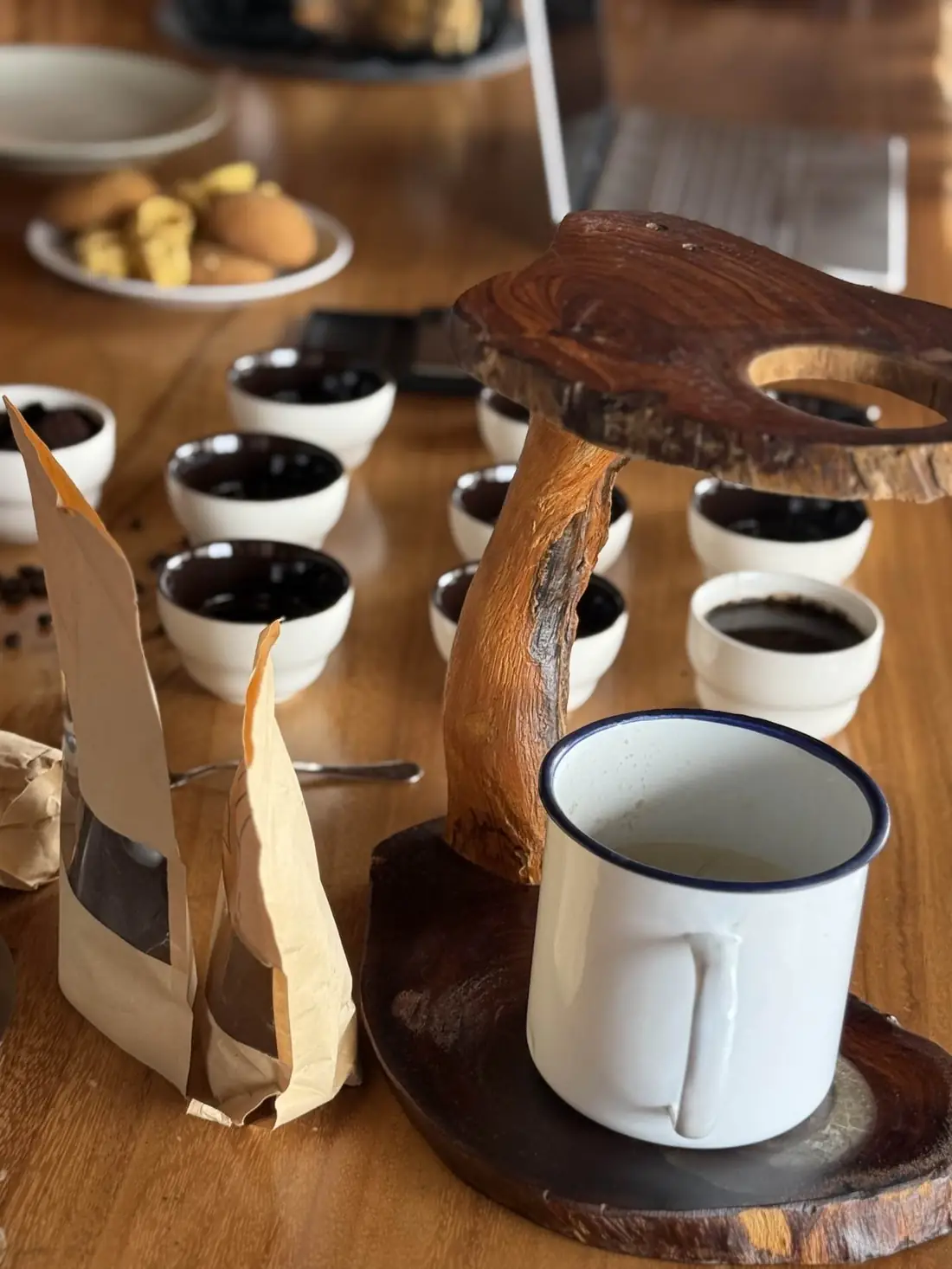
If a cup tastes harsh or bitter, extraction may be too high, so try a coarser grind or a shorter brew. If it tastes weak or sour, extraction may be too low, so try a finer grind or a longer brew. Change one thing at a time: dose, water temperature, water quality and the freshness of the beans also matter. Grinding just before brewing keeps more aroma, and storage keeps it longer. To compare coffees side by side, try cupping.
Moka pots are not covered by those figures. Follow your pot’s instructions: its basket and water line set the ratio.
These are general starting points and not recommendations tuned to Monte Romo, which we have not yet tested for each method.
General coffee information, not a statement about Monte Romo. Figures come from the sources listed below and vary by farm, season and brewer. We have not yet confirmed Monte Romo’s variety, elevation, processing or harvest method.
Sources and further reading
- National Coffee Association — French press coffee
- National Coffee Association — Pour-over coffee
- National Coffee Association — Drip coffee
- National Coffee Association — Espresso
- National Coffee Association — Cold brew coffee
References checked October 13, 2026.